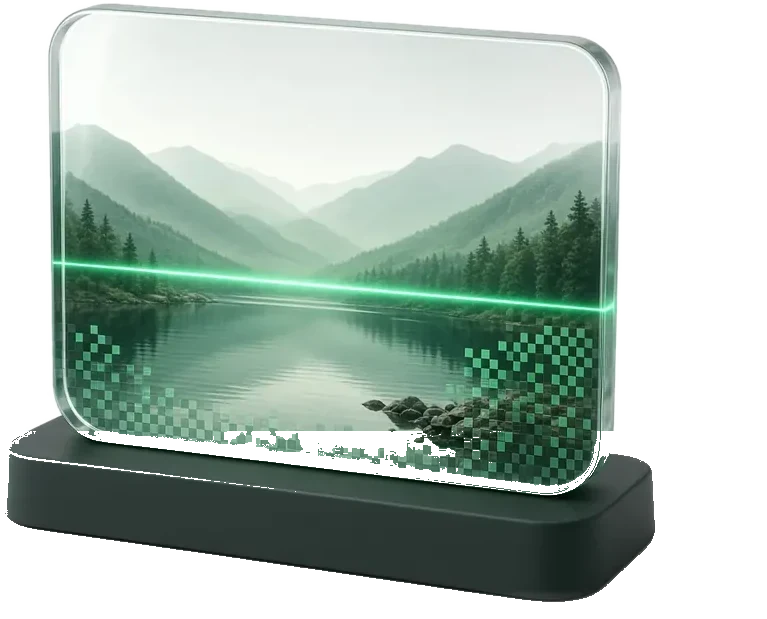
Backups fail quietly
Seed phrases get photographed, misplaced, damaged or simply forgotten. You only discover the backup failed on the day you need it.
 Talk to us
HideW encrypts your Stellar key and tucks it inside an ordinary PNG. No seed phrase on paper, no custodian holding your funds — just your image and your password.
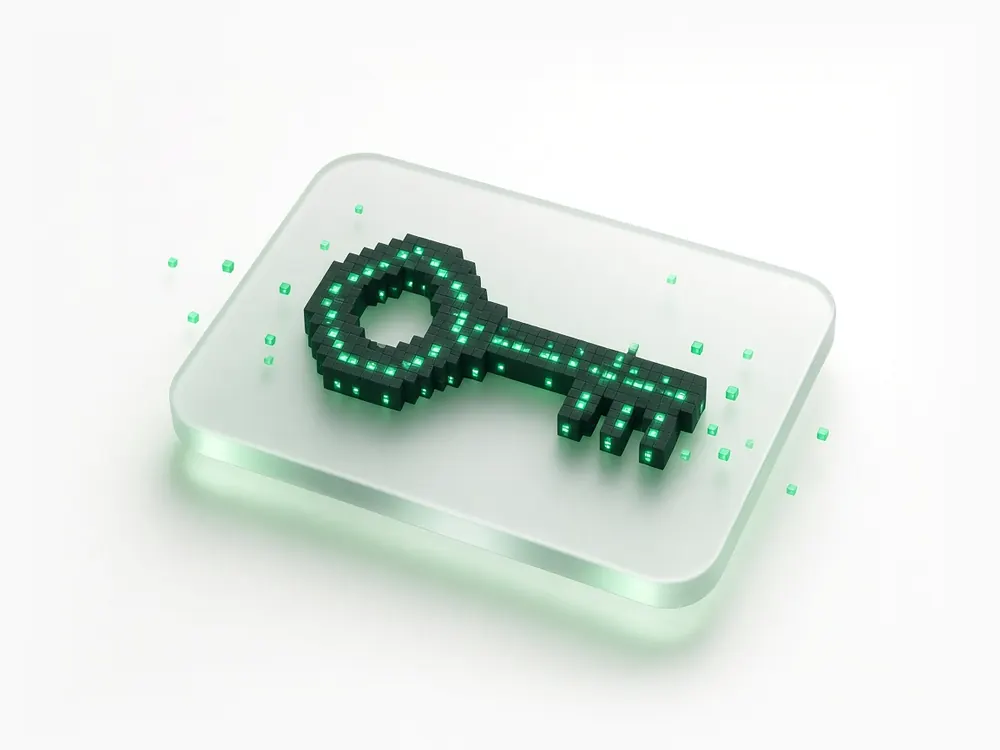
Fifteen seconds, five steps — from a photo you like to a wallet only you can open.
 Looks like a normal photo
Start with any picture you like — it will become your backup.
Start with any picture you like — it will become your backup.
Your password goes through Argon2id to derive an encryption key.
The wallet key is locked with AES-256-GCM into ciphertext.
The encrypted bits go into the least-significant bits of pixels. It still looks like a normal photo.
Photo + password restore the key. Payments are signed in your browser.
People don't lose crypto to clever attacks. They lose it to a paper slip in a drawer — and that fear pushes them back to custodians.
Seed phrases get photographed, misplaced, damaged or simply forgotten. You only discover the backup failed on the day you need it.
The safe option is awkward, so people reach for the easy one — screenshots, notes apps, cloud docs.
seed.txt · screenshot_0412.png · notesHanding keys to an exchange feels safer than guarding twelve words. That trades away the point of owning crypto.
Make the backup something people already keep safe and copy everywhere: a picture.
How it works

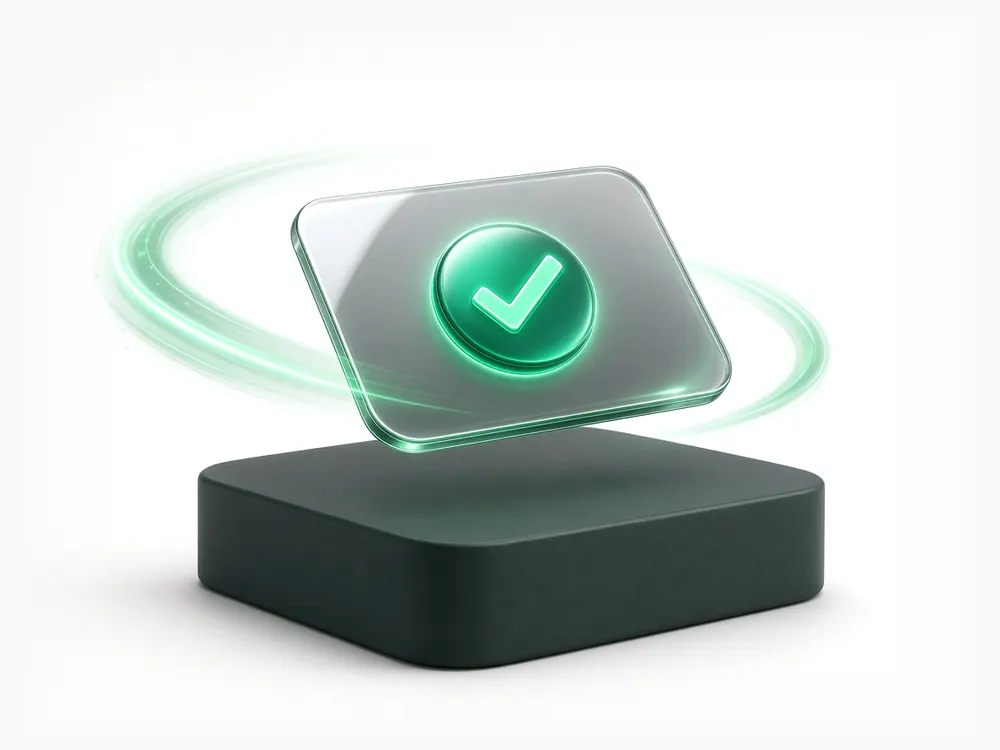
A holiday photo, a pet, a sunset. Any image you like becomes the carrier for your wallet.
A BIP-39 mnemonic derives your Stellar key via SEP-0005, then it's sealed with AES-256-GCM — all on your device.
The ciphertext is spread across the image in a key-derived pixel order. The picture still looks like a picture.
Without your password the wrapped key is useless. We never see it, store it or hold a spare.
Your password is stretched with memory-hard Argon2id into a key-encryption key (KEK) that wraps your wallet key. Transactions are built as unsigned XDR and signed in your browser — the secret never leaves your device.
Settlement in about five seconds and fees measured in fractions of a cent. Stellar is a network designed for payments — so HideW is too.
Send XLM anywhere with near-instant settlement and negligible fees.
Trustlines and USDC, held and sent from the same image-backed wallet.
Route payments across Stellar's built-in exchange so the recipient gets the asset they want.
Move between fiat and crypto through SEP-6 and SEP-24 anchors.
WASM implementation matches reference output.
AES-CTR driven ordering is deterministic and reversible.
Derives the expected public key:
GDRXE2BQUC3AZNPVFSCEZ76NJ3WWL25FYFK6RGZGIEKWE4SOOHSUJUJ6End-to-end run rejects a wrong password — no partial key, no leak.
Re-compression destroys the payload, so messaging apps are a real failure mode. HideW warns clearly and gates the download step — and we'd welcome guidance on further mitigations.
Which layer deserves scrutiny first: the steganographic encoding, the KDF parameters, or the client-side signing path?
Which SEPs matter most for a wallet in this position — anchors, or the URI scheme for payment requests?
We're asking for a technical review of the custody model — and a conversation about which parts of Stellar (anchors, SDEX, issued assets) come next for a wallet built to lower the self-custody barrier.
Read the full pitch